Service Architecture

Us Steel Services for Mill-Backed Industrial Programs

Steel buyers rarely need a generic catalog answer. They need schedule logic, grade interpretation, documentation discipline and a practical view of how carbon and stainless supply will behave once it reaches fabrication, forming or construction.

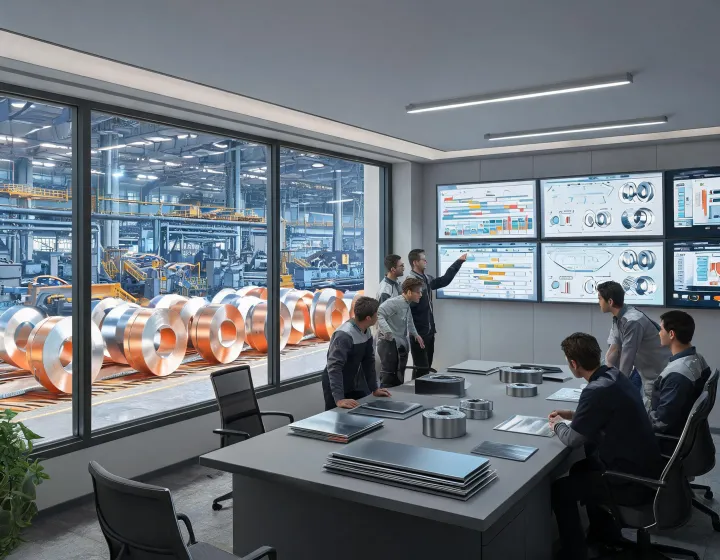
Steel service team reviewing coil schedule

Horizontal Service Pillars

From grade review to shipment release, each service lane keeps risk visible.

01

Grade and specification review

Our team reads ASTM, EN, AISI and project-specific requirements against available carbon plate, structural sections, stainless sheet and coil. The review clarifies chemistry limits, yield strength, Charpy needs, finish expectations and documentation before a buyer locks a production window.

02

Production route planning

Mill route matters. Basic oxygen, electric-arc, slab, caster, rolling and finishing paths can affect lead time, surface condition and carbon reporting. Us Steel connects the route to the end use so the customer knows what is realistic, not just what is listed.

03

Processing and packaging coordination

Cut length, edge condition, coil ID, protective packaging, bundle weight and tagging details are handled as supply variables, not afterthoughts. Fabricators and OEM receiving teams get steel that is easier to identify, move and release into work orders.

04

Documentation and audit support

Heat trace, mill test reports, inspection notes and environmental declarations are gathered in a consistent packet. This reduces disputes around origin, grade, recycled content and process claims when a project owner or quality auditor asks for proof.

4Linked service lanes
2Primary material families
6Core document checks
1Coordinated release path

Why the service model matters

The metals market often treats steel as an interchangeable commodity until a failed audit, late shipment or incompatible finish proves otherwise. Carbon and structural steel can carry different yield, elongation, toughness and weldability requirements across the same project. Stainless steel adds surface finish, corrosion behavior and fabrication cleaning expectations. Our service model gives engineering, purchasing and QA a shared language before those differences become schedule problems.

Us Steel also addresses a common industry dispute: whether low-carbon claims are meaningful without transparent production data. A lower-emission process route is useful only when buyers can connect it to grade, lot, charge mix, energy assumptions and shipment records. We organize that evidence around the purchase rather than leaving it buried in separate corporate reports.
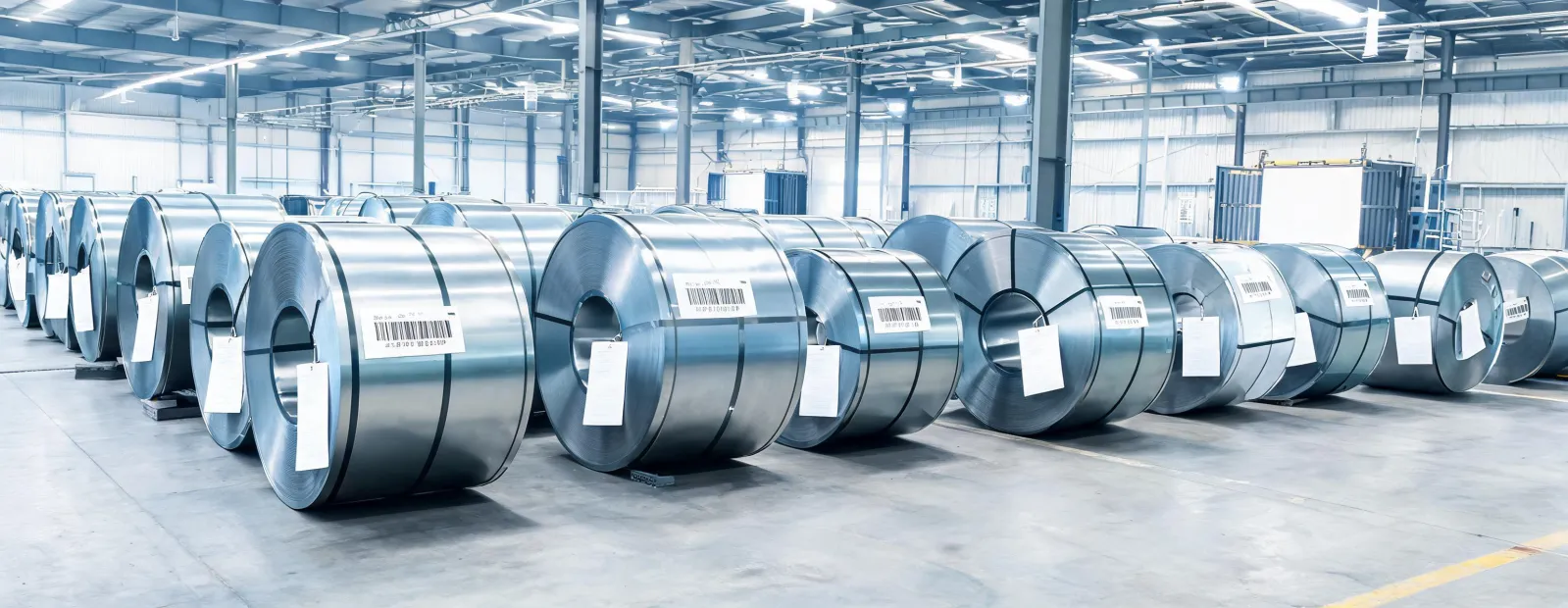
Steel coil shipment being released

Service Request

Ask Us Steel to review grade, processing and documentation before you award the order.

Send your material form, target standard, schedule and any audit requirement. The response can focus on available steel, realistic route options and what records will accompany shipment.