Charge mix transparency
Recycled steel inputs are tracked with tighter lot logic so buyers can understand how feedstock decisions influence cost, emissions factors and product consistency.
Technology Roadmap
The technology program connects recycled inputs, electric-arc learning, digital quality records and R&D trials so buyers can evaluate the material performance and the process evidence behind carbon and stainless steel supply.
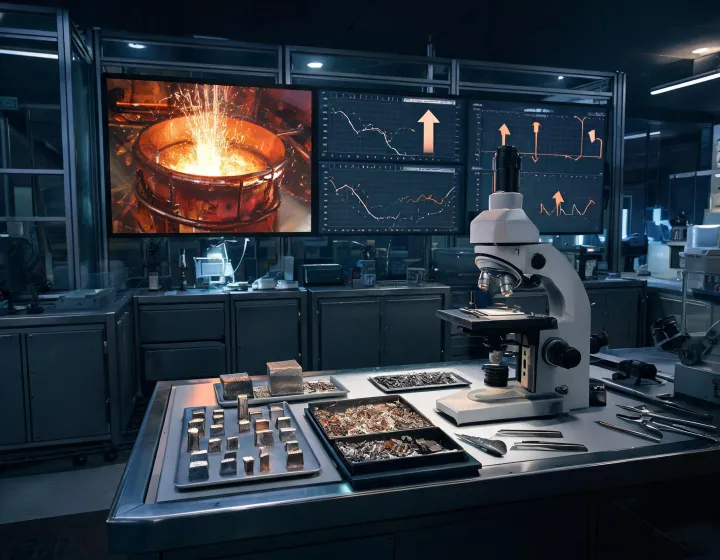
R&D Roadmap Timeline
Recycled steel inputs are tracked with tighter lot logic so buyers can understand how feedstock decisions influence cost, emissions factors and product consistency.
Energy use, yield loss, temperature control and chemistry windows are reviewed as connected variables. The goal is a process route that is cleaner while still producing steel that fabricators can trust.
Heat trace, inspection notes, MTR data and environmental declarations move toward a single packet so engineering, procurement and QA teams work from the same evidence.
R&D teams evaluate strength, weldability, corrosion behavior and surface response to qualify new carbon and stainless options for infrastructure, mobility and energy applications.
Technology Metrics
A recurring dispute in metals purchasing is whether environmental claims can be separated from actual mill behavior. Us Steel keeps the technology discussion close to the shop floor: charge mix, furnace practice, rolling performance, inspection outcomes and documentation quality. This makes it easier for a buyer to ask practical questions. Does a lower-carbon route still meet strength and toughness requirements? Can stainless surface quality be maintained while adjusting process inputs? Are emissions assumptions tied to the same lot that is being shipped? The roadmap is designed to answer those questions with data that sits beside grade and quality evidence.
Process Levers
Scrap-rich pathways can reduce process intensity, but they still need chemistry control, residual element review and transparent charge records.
Simulation and lab trials help define how new routes affect yield, toughness, formability, surface condition and weld performance.
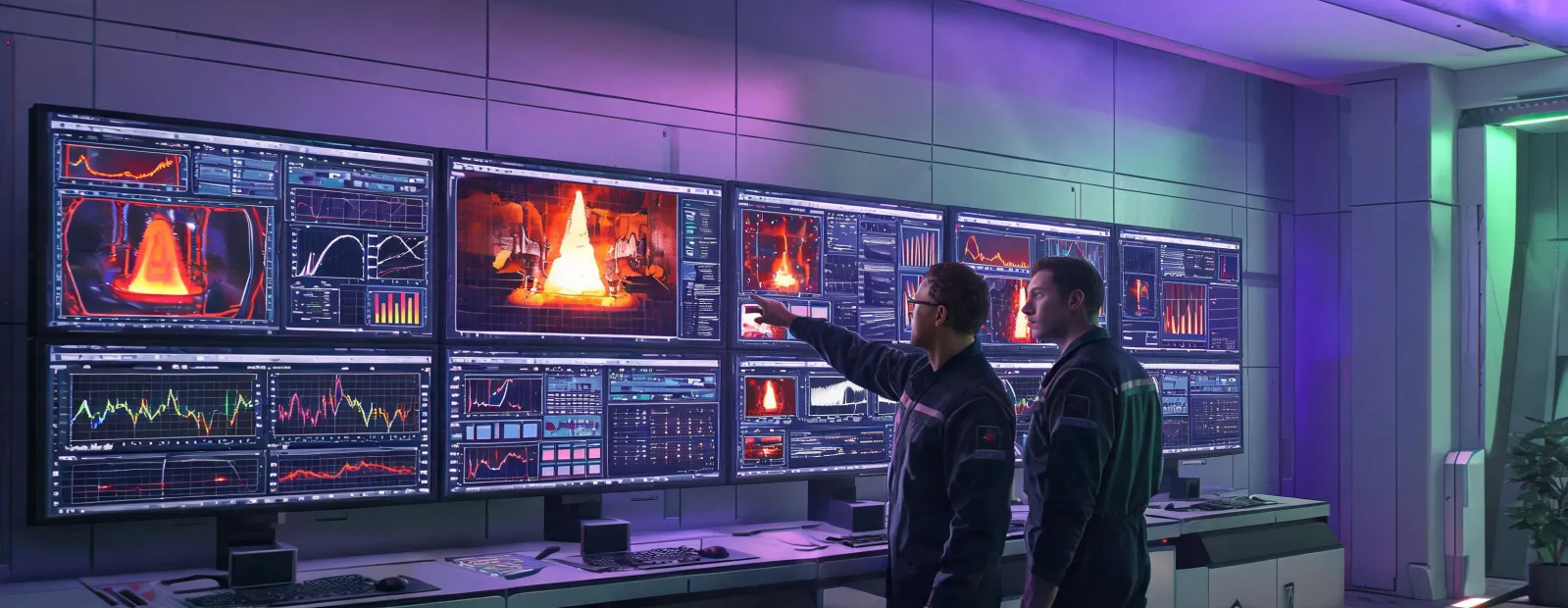
Vision, sensor and line data provide earlier detection of defects that might otherwise appear during fabrication or receiving inspection.
The technology is complete only when buyers receive usable records that connect product, lot, route and environmental evidence.
Technology Discussion
Share the material family, end-use environment and evidence requirements. We will explain which process and documentation signals should be reviewed before sourcing.
Us Steel Inquiry Desk